
20230919_160540 2

ASTM C1153: Standard Practice for Location of Wet Insulation in Roofing Systems Using Infrared Imaging

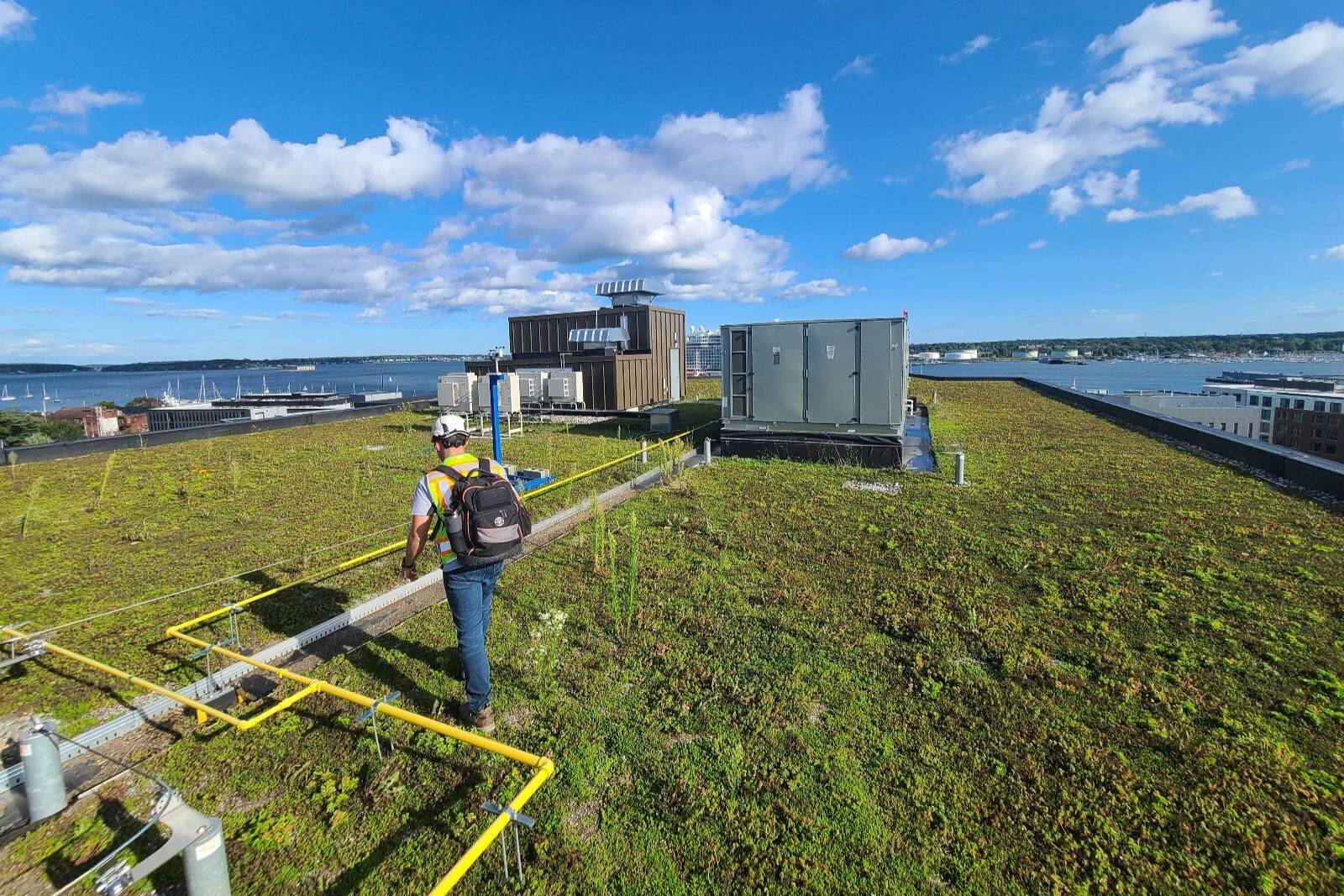
Cx Associates performs ASTM C1153 field testing. We've performed building enclosure commissioning and C1153 testing on commercial, industrial, institutional, multifamily, and residential projects across Vermont and the Northeast. Our team includes experts with deep familiarity in building code and enclosure standards.

ASTM C1153  At a Glance


What it tests

Location and extent of wet or moisture-laden insulation within built-up roofing and single-ply roofing assemblies

Applicable to

Low-slope and flat roof systems with moisture-susceptible insulation (polyisocyanurate, perlite, fiberglass, wood fiber)

New vs Existing

Primarily existing buildings; also used to verify new construction before warranty begins

Referenced by

Roofing assessments, roof asset management programs, pre-purchase due diligence, insurance claims

Test Type

Qualitative aerial or ground-based thermal imaging — identifies suspect areas for confirmation by core sampling


We can help!

Ready to schedule building enclosure testing? Contact us to discuss your project timeline and enclosure scope.
etienne-beauregard-riverin-B0aCvAVSX8E-unsplash-1
What is ASTM C1153?

ASTM C1153 is a standard practice for using infrared (thermal) imaging to locate areas of wet or moisture-saturated insulation within low-slope roofing systems. It takes advantage of the thermal mass difference between dry and wet insulation: during the day, a roof surface absorbs solar radiation and heats up; at night, the surface cools by radiating heat to the sky. Wet insulation retains more heat than dry insulation, so areas of wet insulation appear warmer in nighttime infrared images — creating detectable thermal signatures that indicate probable moisture locations.

The practice is used to survey large roof areas quickly and non-destructively, identifying zones of suspected moisture that are then confirmed by destructive core sampling. Infrared imaging alone is not definitive — thermal anomalies can have causes other than moisture — but it dramatically narrows the area that needs to be physically investigated, making it far more efficient than either a full-roof core sampling program or waiting for visible damage to appear on the interior.


Scope and Application


Built-up roofing (BUR) systems over polyisocyanurate, perlite, or wood fiber insulation


Single-ply membrane systems (TPO, EPDM, PVC) over moisture-susceptible insulation


Modified bitumen roofing systems


Existing roofs being evaluated for repair, replacement, or warranty claims


New roofing systems before the warranty period begins — to document pre-existing conditions

New roofing systems prior to coverage by large photovoltaic arrays or other systems that make future access challenging


Building water leakage forensics


Pre-purchase due diligence on commercial real estate


Insurance claim support after roof leakage events


Note: ASTM C1153 is most effective on roofs with smooth or granulated membrane surfaces. Roofs with significant ballast, standing seam metal panels, or reflective coatings that mask thermal signatures may require modified survey approaches or alternative investigation methods.

Why should I consider this test?

Wet roofing insulation dramatically reduces thermal performance, contributes to roof material  and interior finishdeterioration. Because the membrane surface may appear intact while insulation below is saturated — moisture often enters through a small membrane breach and wicks laterally — visual inspection alone is inadequate for assessing roof condition.

For building owners, an infrared survey provides an objective baseline of roof condition that verifies performance in new construction prior to the end of warranty periods or the coverage by major systems such as PV arrays. It also supports informed decisions about repair versus replacement, validates warranty claims, and documents conditions for insurance purposes. For commissioning providers and design teams, C1153 surveys on new construction confirm that moisture was not introduced during construction before the warranty period begins.


Related Testing Standards

These standards are commonly specified alongside or in place of ASTM C1153 depending on project scope. Cx Associates performs all of the following:

  • ASTM C1060

    Thermographic inspection of insulation in envelope cavities of frame buildings (the wall and ceiling counterpart to C1153)

  • ASTM D5957

    Flood testing of horizontal waterproofing installations (alternative investigation method for suspected roof leakage)

  • ASTM E1186

    Air leakage site detection (can be paired with thermal imaging for envelope diagnostics)