
brandon-griggs-wR11KBaB86U-unsplash-1

Enclosure Testing & Diagnostics

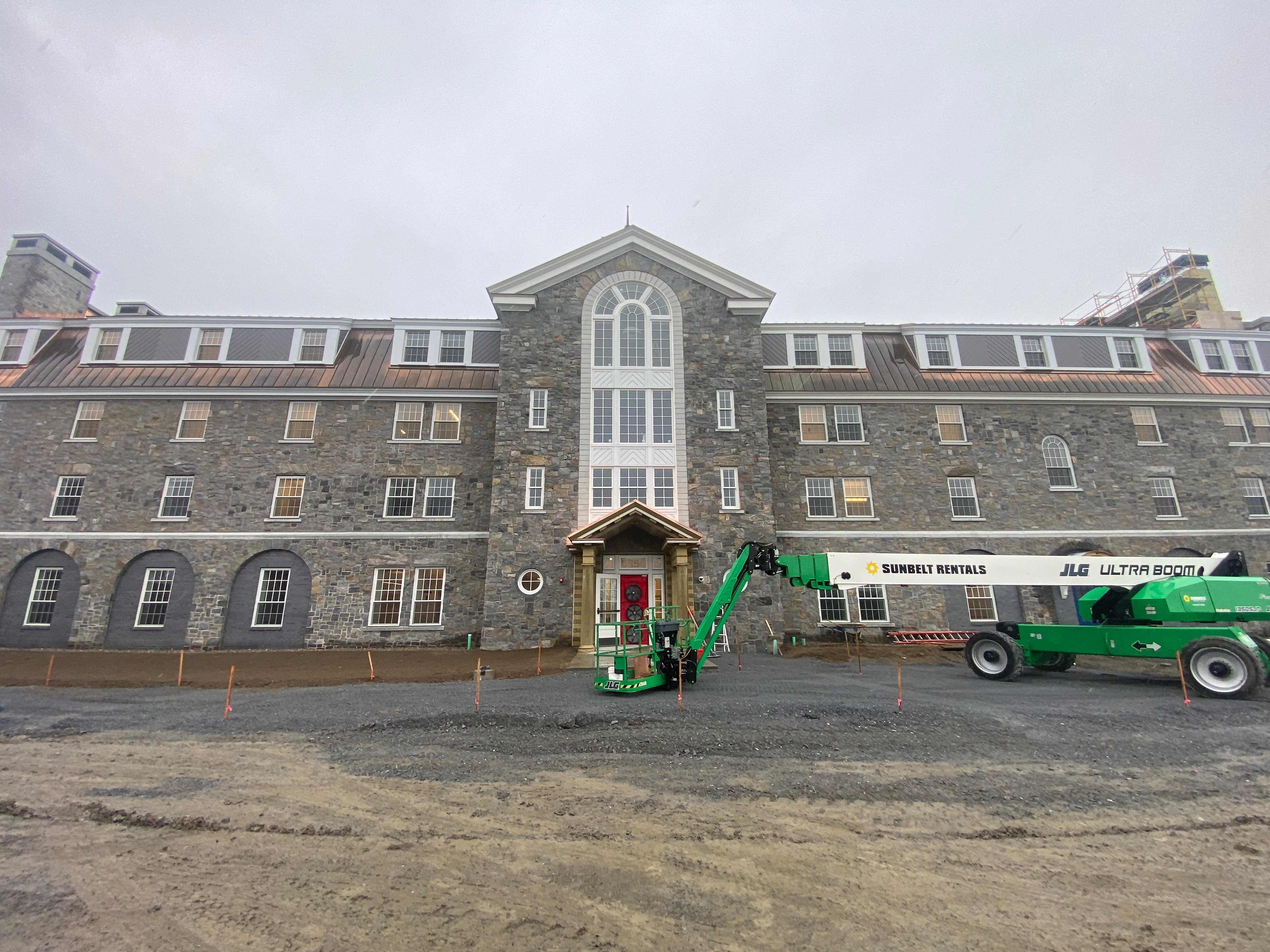
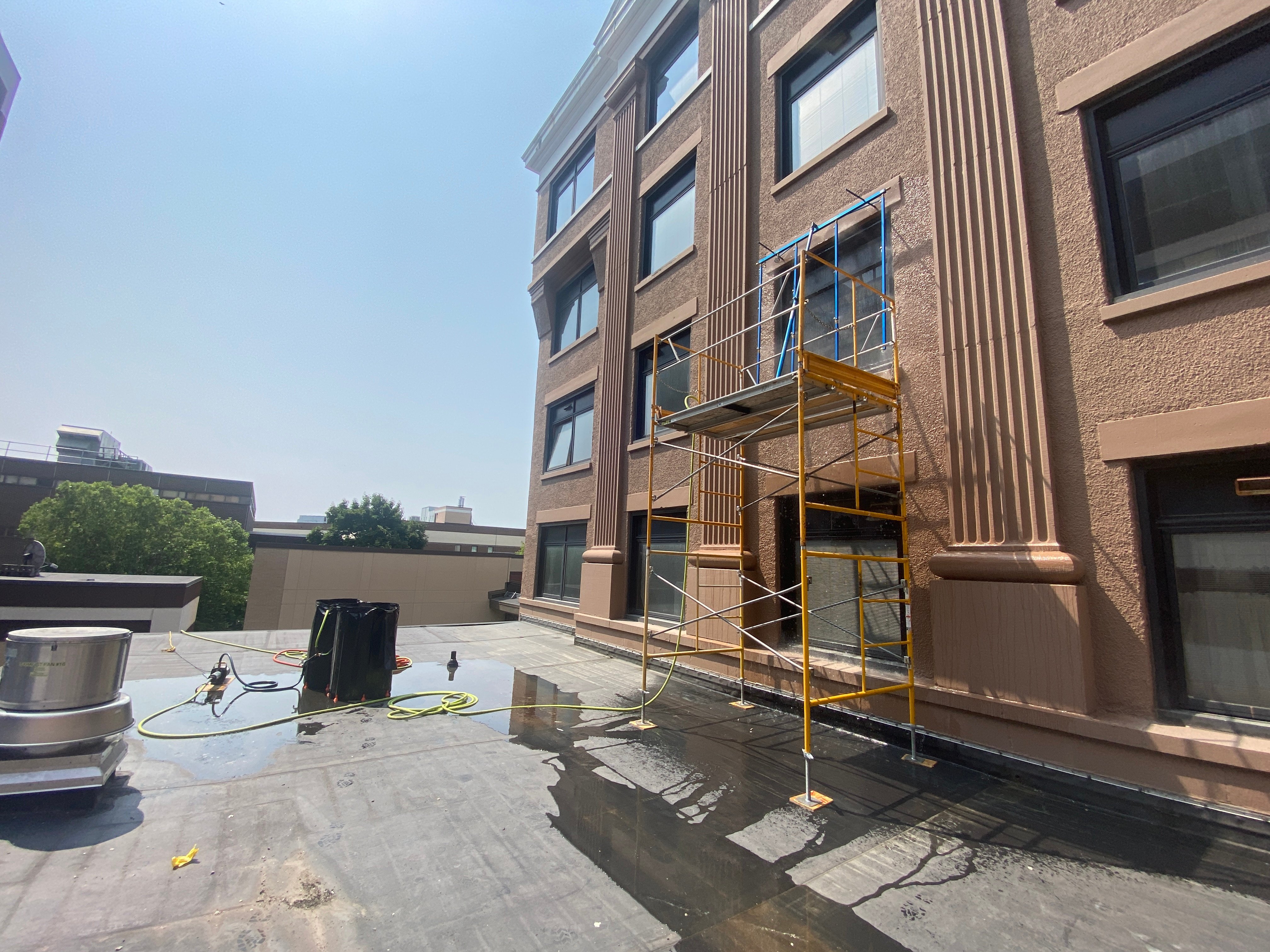
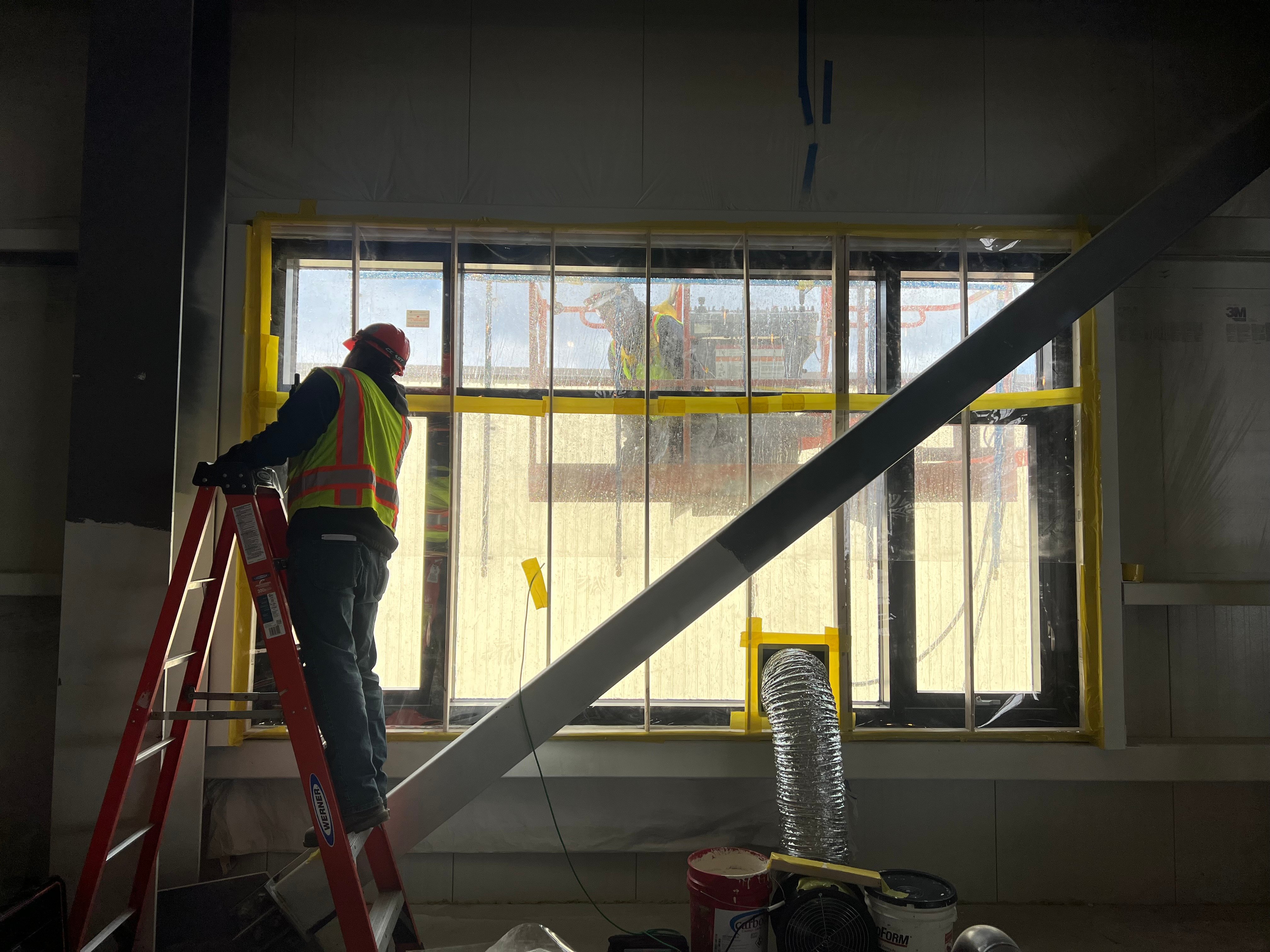
Building enclosure testing has become essential in modern construction projects. Energy codes like the 2024 VT CBES and 2021 IECC now mandate minimum testing levels, and LEED certification requires building enclosure commissioning to verify performance. Cx Associates delivers comprehensive testing and diagnostic services for VT CBES 2024 & IECC 2021 compliance throughout Vermont and New England, LEED certification support, project specification verification, and assessment of existing building energy efficiency and durability issues.

  • IMG_3151
  • Burlington HS 4
  • IMG_4869
Testing requirements aren't always in one convenient location. Our experience shows they're commonly found across multiple project documents:

Energy Codes including: 2024 CBES C402.4.1.1 (Blower Door) & C402.4.2 (Unit Compartmentalization), and 2021 IECC C402.5.2 (Unit Compartmentalization) & C402.5.3 (Blower Door).


Project documents such as the commissioning plan (if applicable).


Specifications including Division 01 (019119 BECx specifications and 014339 Mock-Ups).


Other specifications including air sealing or air tightness requirements and "Field Quality Control" sections in Divisions 03, 06, 07, 08.


Who does what...and when?

Our experience shows that project teams are frequently blindsided by testing requirements, ownership questions, and specification details—creating costly surprises and schedule disruptions. We help clarify testing requirements during the design phase and identify irrelevant tests that may have been included from specification templates. To learn more about building enclosure field testing best practices check out our blog post that breaks it all down.
BE working
 

Building Enclosure Tests Cx Associates Offers

Cx Associates provides field testing and diagnostic services for building enclosures on a wide range of projects throughout Vermont, New England, and the Northeast. 

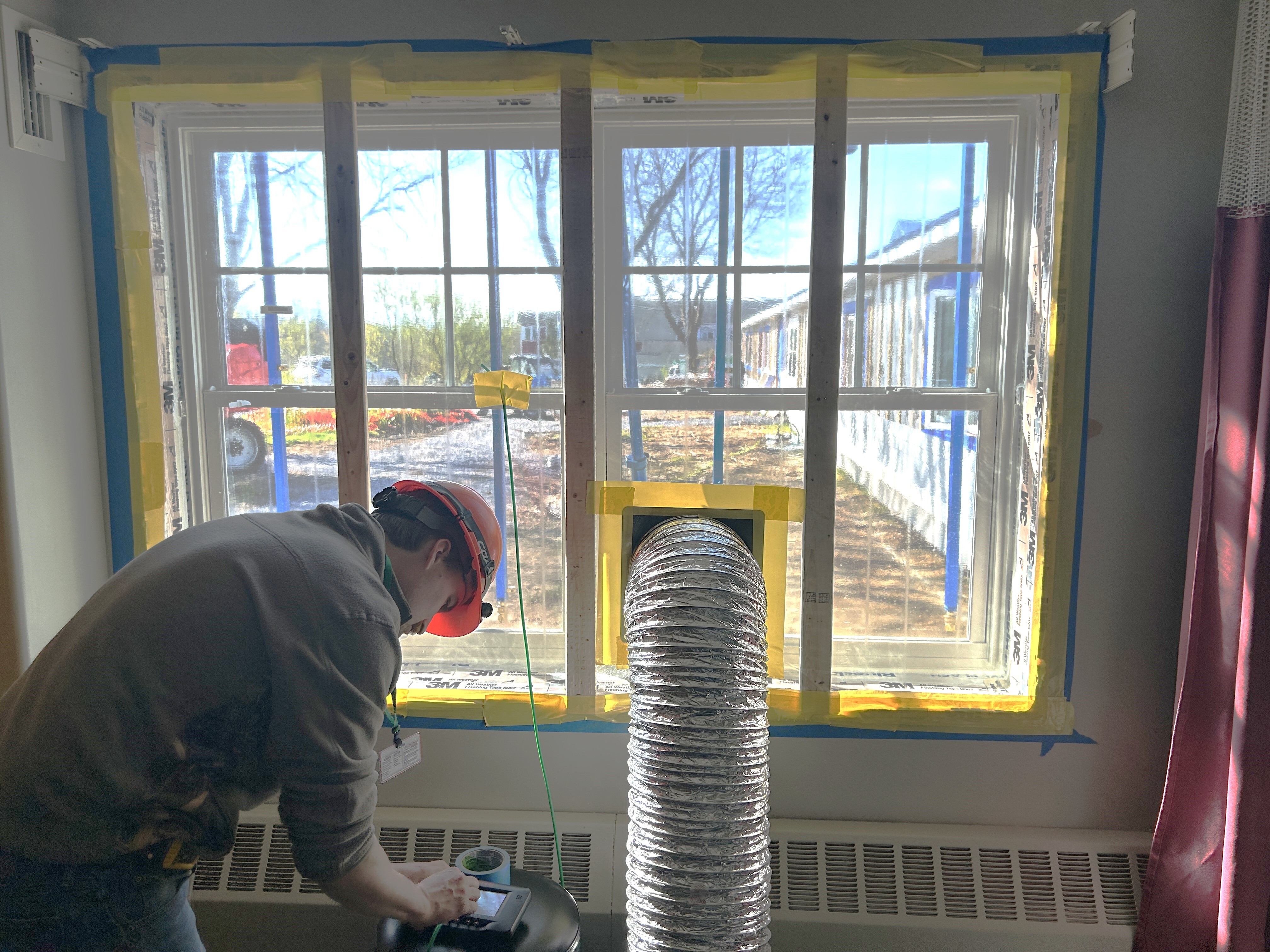
We perform testing to ASTM, AAMA, and other industry standards, producing clear field reports that document findings, identify remediation priorities, and give project teams the information they need to act. Whether you're chasing a code compliance target, verifying enclosure performance before closeout, or diagnosing a problem in an existing building, we can help.

  • ASTM E1186

    Standard Practices for Air Leakage Site Detection in Building Envelopes (Qualitative Air Barrier Testing)

  • ASTM E783

    Standard Test Method for Field Measurement of Air Leakage Through Installed Exterior Windows and Doors (Fenestration Air Tightness Testing)

  • ASTM E1105

    Standard Test Method for Field Determination of Water Penetration of Installed Exterior Windows, Skylights, Doors, and Curtain Walls, by Uniform or Cyclic Static Air Pressure Difference (Fenestration Water Penetration Testing, often coupled with AAMA 501.1, 502, or 503 test standards)

  • AAMA 502

    Voluntary Specification for Field Testing of Newly Installed Fenestration Products

  • AAMA 503

    Voluntary Specification for Field Testing of Newly Installed Storefronts, Curtain Walls, and Sloped Glazing Systems

  • AAMA 501.2

    Quality Assurance and Diagnostic Water Leakage Field Check of Installed Storefronts, Curtain Walls, and Sloped Glazing Systems  

  • ASTM D4541

    Standard Test Method for Pull-Off Strength of Coatings Using Portable Adhesion Testers (Air Barrier Adhesion Testing)

  • ASTM C1193

    Standard Guide for Use of Joint Sealants, Appendix X1, Method A - Field-Applied Sealant Joint Hand Pull Tab (Joint Sealant Adhesion Testing)

  • ASTM C1521

    Standard Practice for Evaluating Adhesion of Installed Weatherproofing Sealant Joints (Joint Sealant Adhesion Testing)

  • ASTM C1401

    Standard Guide for Structural Sealant Glazing, Appendix X2, Method A, Hand Pull Tab (destructive) (Joint Sealant Adhesion Testing)

  • ASTM C1153

    Standard Practice for Location of Wet Insulation in Roofing Systems Using Infrared Imaging (Roof IR Imaging)

  • ASTM C1060

    Standard Practice for Thermographic Inspection of Insulation Installations in Envelope Cavities of Frame Buildings (Infrared Imaging)

  • ASTM D5957

    Standard Guide for Flood Testing Horizontal Waterproofing Installations

  • ASTM E779

    Standard Test Method for Determining Air Leakage Rate by Fan Pressurization (Blower Door Testing)

  • ASTM E3158

    Standard Test Method for Measuring the Air Leakage Rate of a Large or Multizone Building  (Blower Door Testing)

  • ASTM E1827

    Standard Test Method for Determining Air Tightness of Buildings Using An Orifice Blower Door (Blower Door Testing)

  • USACE Air Leakage Test Protocol for Building Envelope v3

    Military Building Blower Door Testing


We can help!

Not sure where to look, what's applicable, or if you have complete information for a realistic quote? We review enclosure testing requirements daily and have extensive experience performing tests. We can help you understand what you and your subcontractors should expect. Contact us.

etienne-beauregard-riverin-B0aCvAVSX8E-unsplash-1
 

Related Blog Posts

Mastering Building Enclosure Field Testing: Getting it Right from the Start

Building enclosure field testing is critical to construction project success. These tests verify that control layers...

An Overview of a Building Energy Assessment

We are in the midst of completing a large number of building energy assessments for buildings across Vermont, and while...

Historic Brick: Balancing Preservation and Climate Action

Insulating behind historic brick poses challenges for architects and preservationists alike. While it promises energy...