IMG_3151

ASTM E783: Standard Test Method for Field Measurement of Air Leakage Through Installed Exterior Windows and Doors

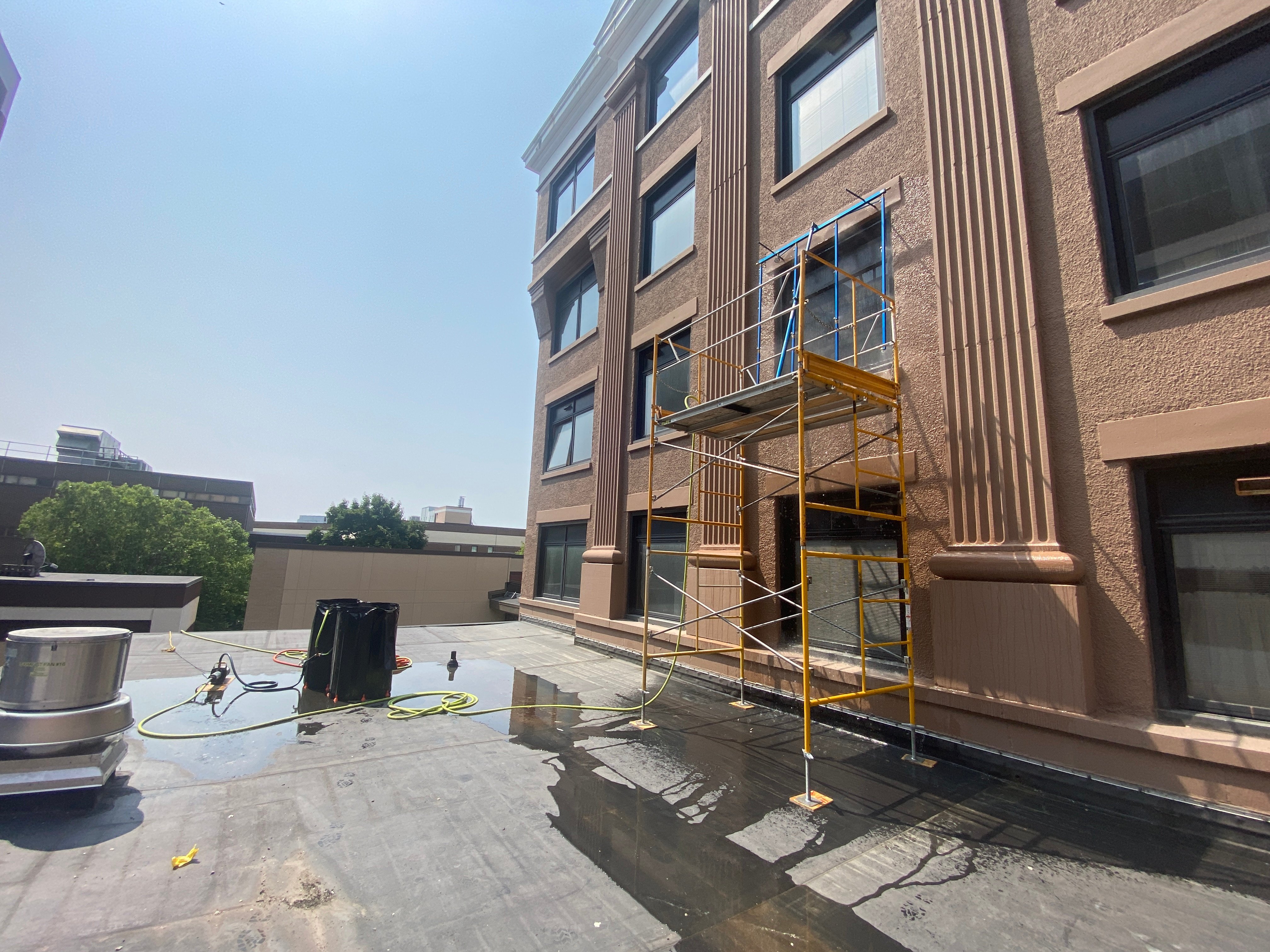
Cx Associates performs ASTM E783 field testing. We've performed building enclosure commissioning and E783 field testing on commercial, industrial, institutional, multifamily, and residential projects across Vermont and the Northeast. Our team includes experts with deep familiarity in building code and enclosure standards.

ASTM E783 At a Glance


What it tests

Air leakage rate through installed exterior windows and doors in the field

Applicable to

Installed windows, sliding glass doors, swinging doors, and similar fenestration

New vs Existing

Both new construction verification and existing building diagnostics or pre/post replacement incentive verification

Test type

Quantitative — produces a measured leakage rate (cfm/ft²)

Referenced by

IECC, AAMA, project specifications


We can help!

Ready to schedule building enclosure testing? Contact us to discuss your project timeline and enclosure scope.

etienne-beauregard-riverin-B0aCvAVSX8E-unsplash-1
What is ASTM E783?

ASTM E783 is a standard test method for measuring how much air leaks through an exterior window or door unit after it has been installed in a building. Unlike laboratory tests performed on window specimens before shipment, E783 is conducted in the field on the actual installed product — meaning it captures not just the performance of the unit itself, but the quality of the installation.

The test produces a measured air leakage rate expressed in cubic feet per minute per square foot of window area (cfm/ft²) at a specified pressure differential, typically 1.57 psf (75 Pa) or 6.24 psf (300 Pa). This result can then be compared against the manufacturer's rated performance, project specifications, or code requirements.

E783 is the field counterpart to ASTM E283, which is the laboratory test method for air infiltration through fenestration. When a window or door fails E783, the data points toward whether the problem lies in the unit itself, the installation, or both — which is essential information for determining warranty responsibility and remediation scope.


Scope and Application


Installed exterior windows of all types — single, double, and triple pane; aluminum, vinyl, wood, and fiberglass frames


Sliding glass doors and patio doors


Swinging entrance doors and vestibule assemblies


Skylights and roof windows


New construction quality verification before owner occupancy


Existing buildings with suspected air infiltration problems, comfort complaints, or condensation issues


Pre and post window replacement for energy modeling and monetary incentive verification


Development of air leakage


Post-storm or post-impact assessment of fenestration performance


Why should I consider this test?

Windows and doors are among the most apparent sources of air infiltration complaints in existing buildings. Even a product that passed factory testing can underperform in the field if the unit was not properly installed or was mishandled. E783 testing provides documented, quantitative evidence of installed performance — which protects owners, holds contractors accountable, and identifies problems while the building is still under construction and corrections are still practical.

In the context of energy code compliance, the IECC requires that installed fenestration meet labeled performance ratings. E783 field testing is one mechanism for verifying compliance, particularly on projects where the commissioning authority or owner requires independent verification beyond manufacturer documentation
.


Related Testing Standards

These standards are commonly specified alongside or in place of ASTM E783 depending on project scope. Cx Associates performs all of the following:

  • ASTM E1105

    Water penetration of installed windows, doors, skylights, and curtain walls (often paired with E783)

  • AAMA 502

    Voluntary specification for field testing of newly installed fenestration products (references E783 and E1105 as test methods)

  • AAMA 503

    Field testing of newly installed storefronts, curtain walls, and sloped glazing systems

  • ASTM E283

    Laboratory air infiltration test method (the factory counterpart to E783)

  • ASTM E1186

    Air leakage site detection (qualitative; used to locate leaks identified by quantitative tests)